PillarFoundational guide
Most Multi-Agent Systems Would Work Better as One Agent
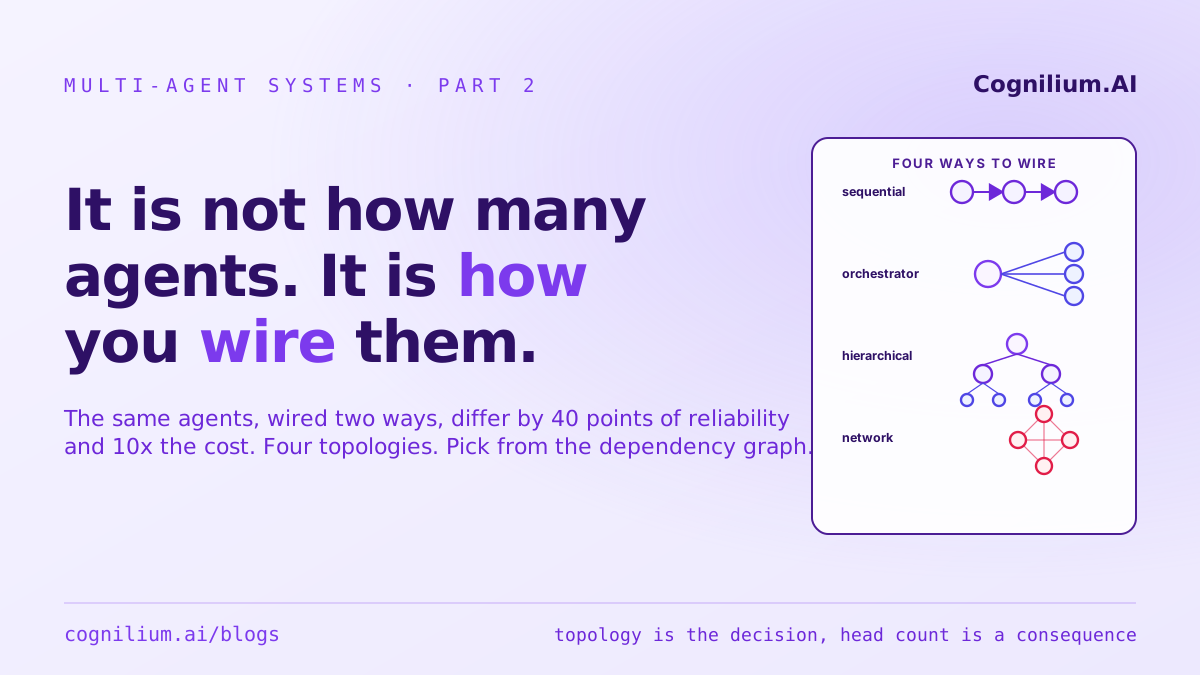
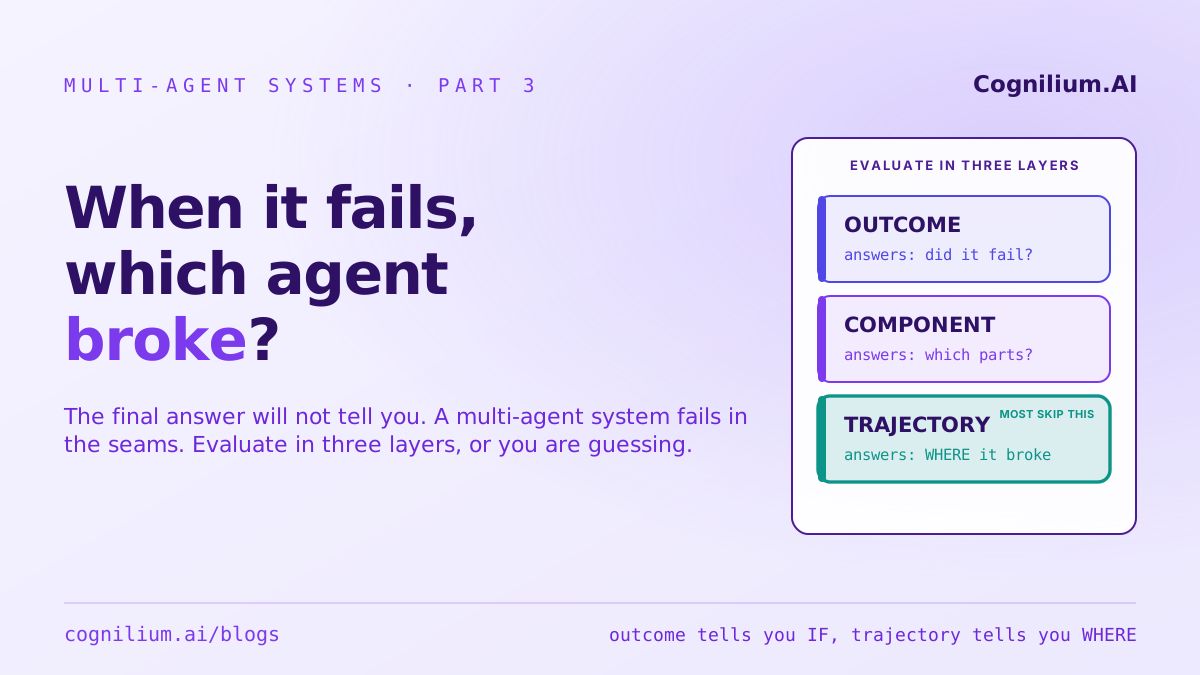
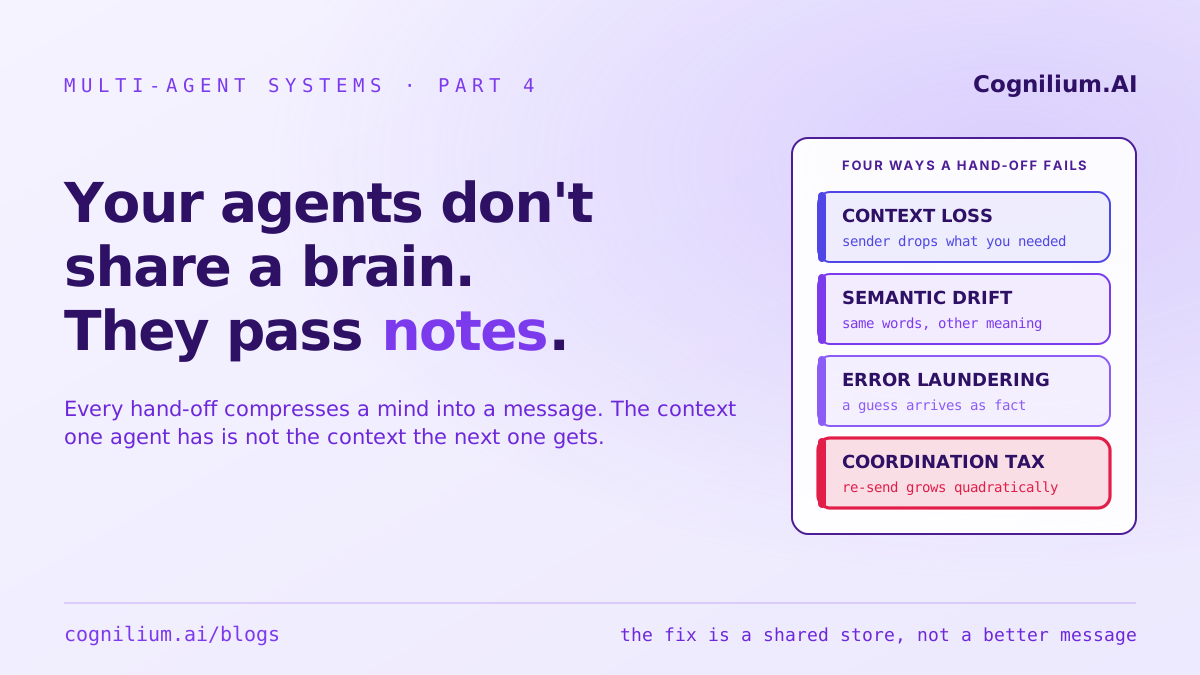
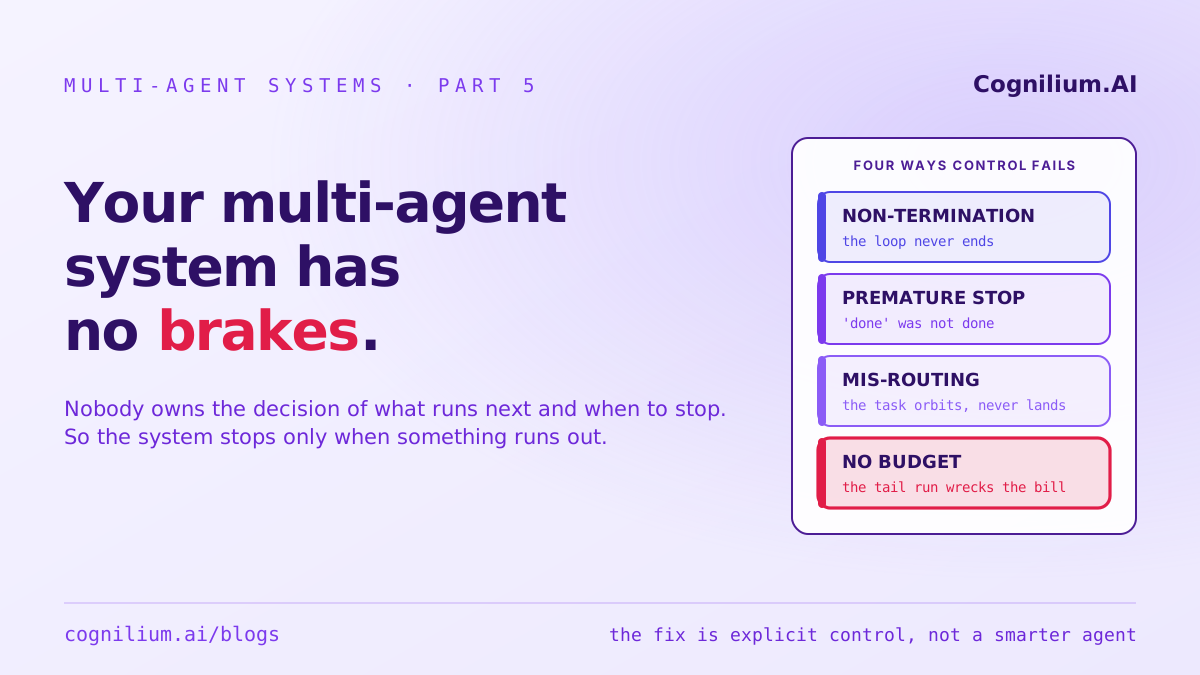
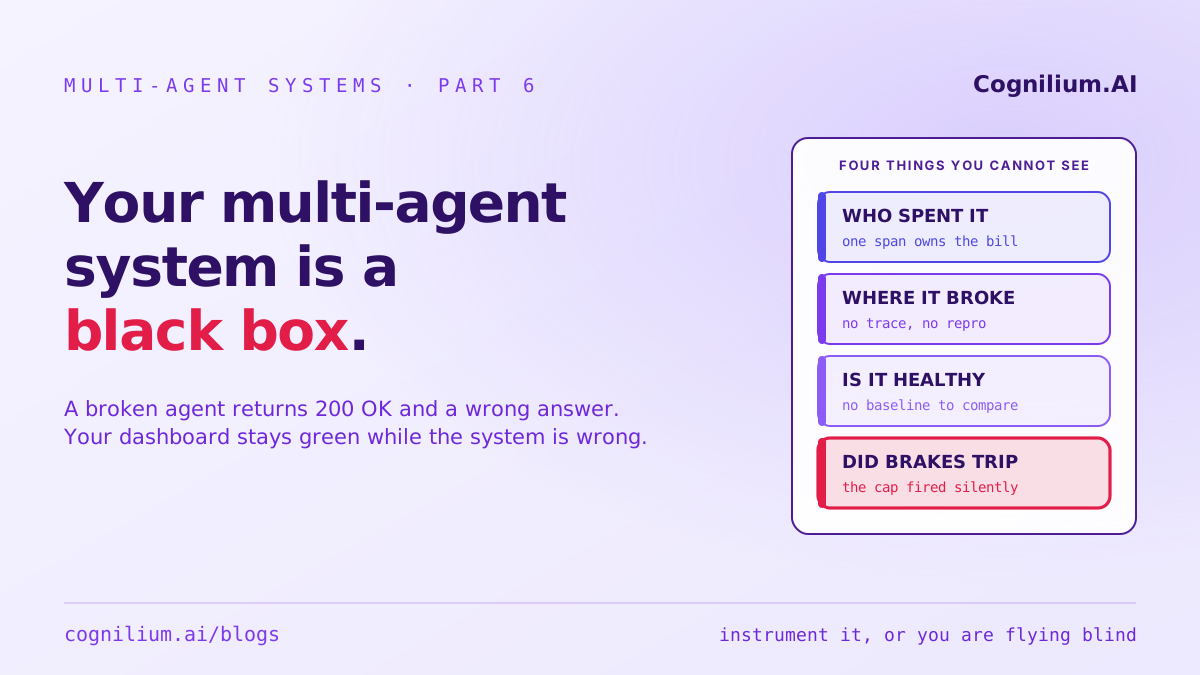
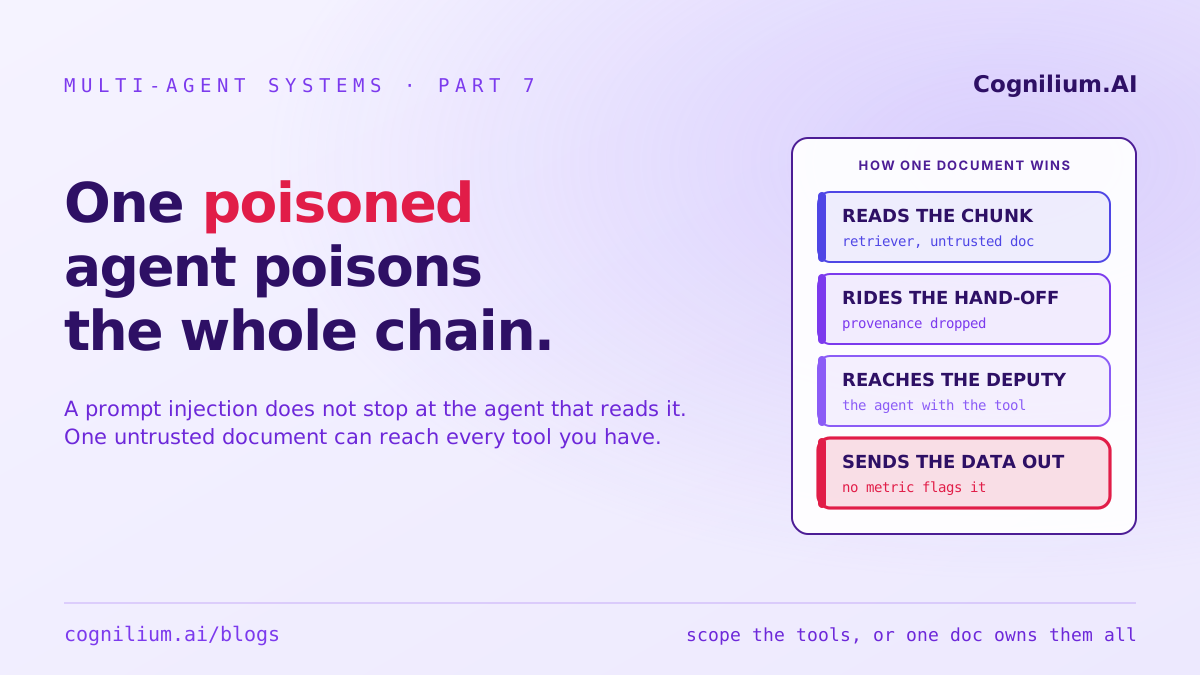
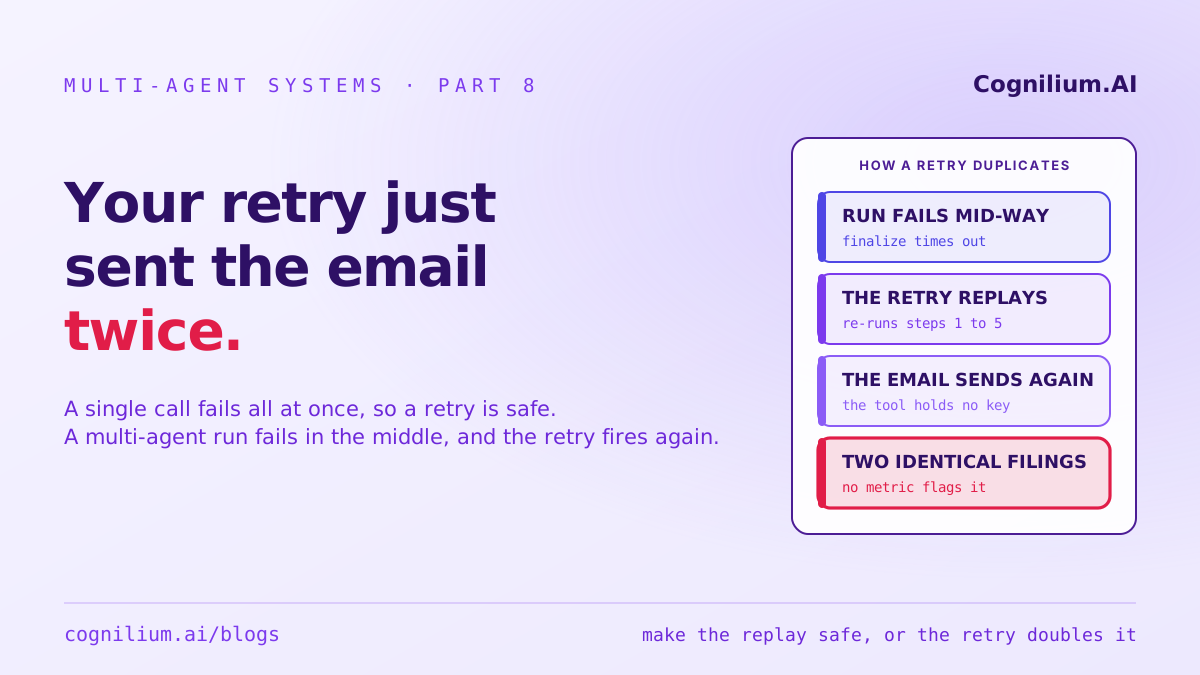
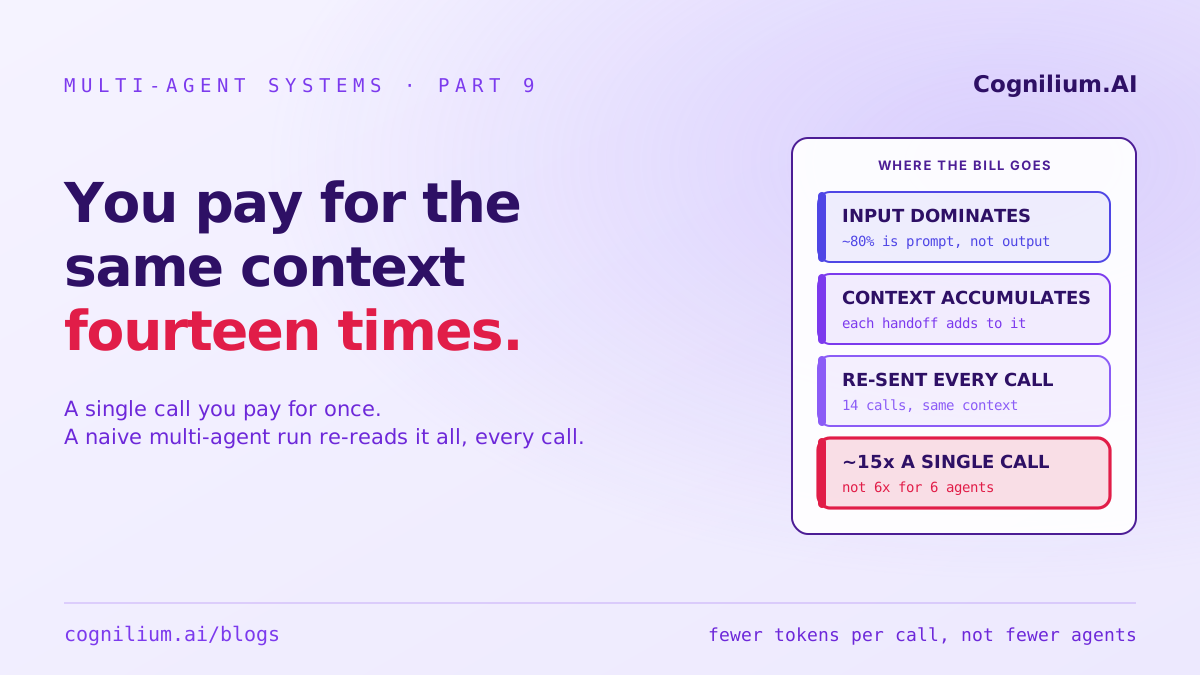
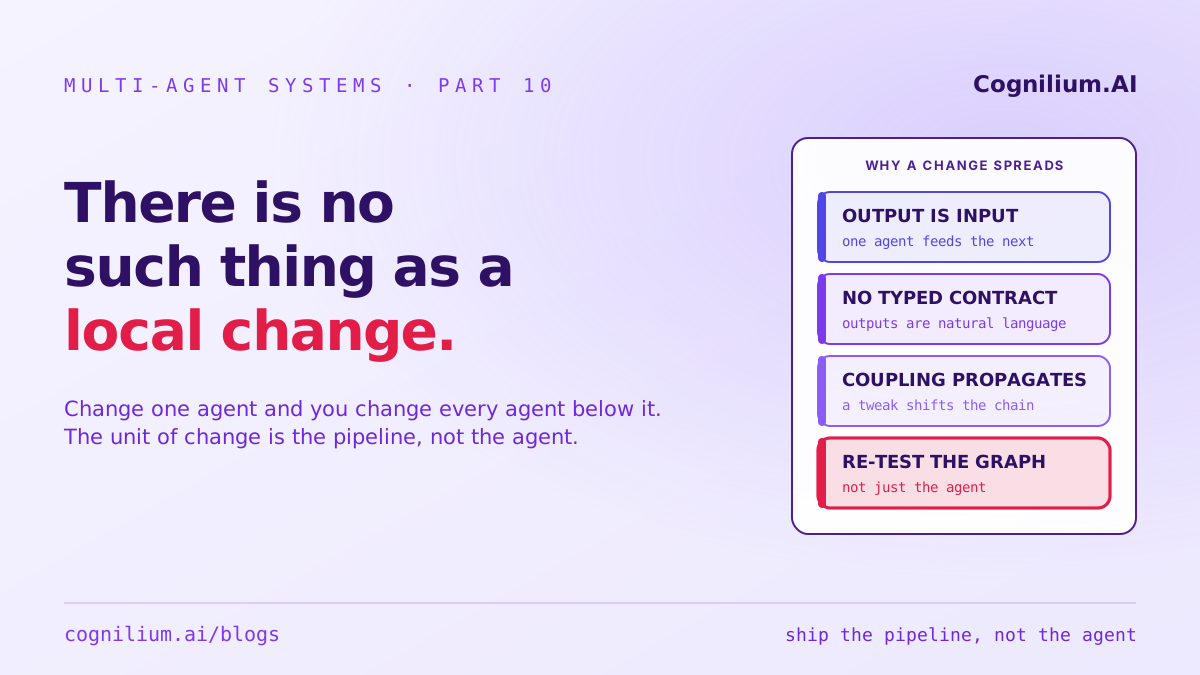
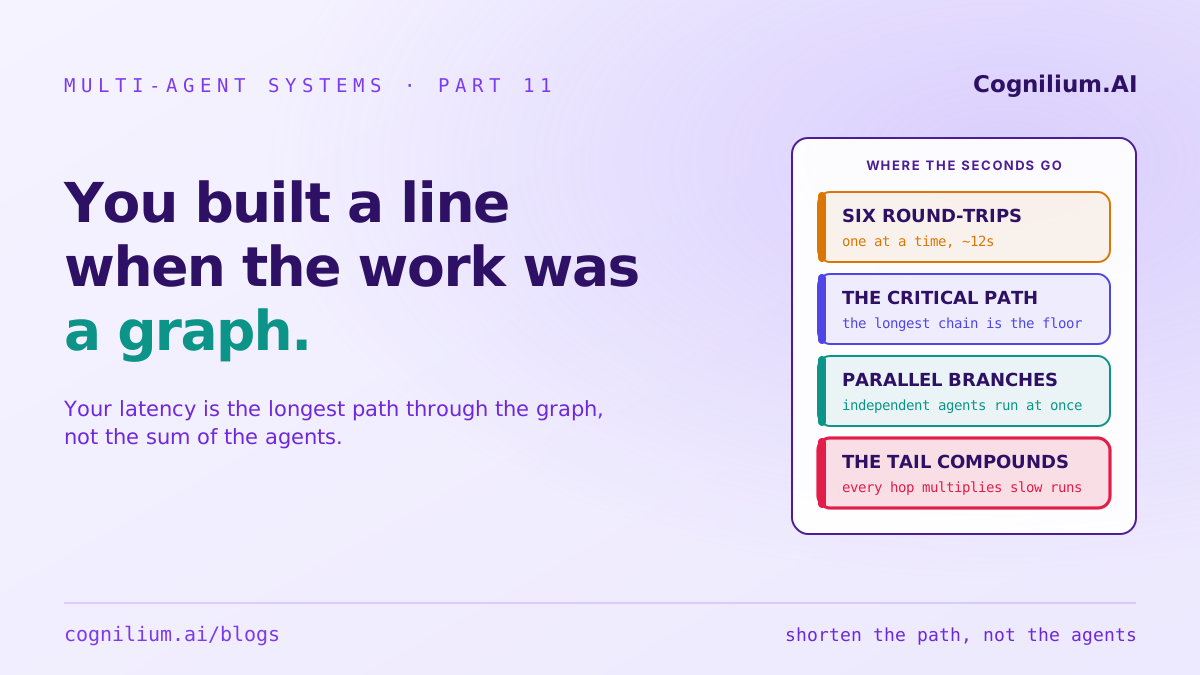
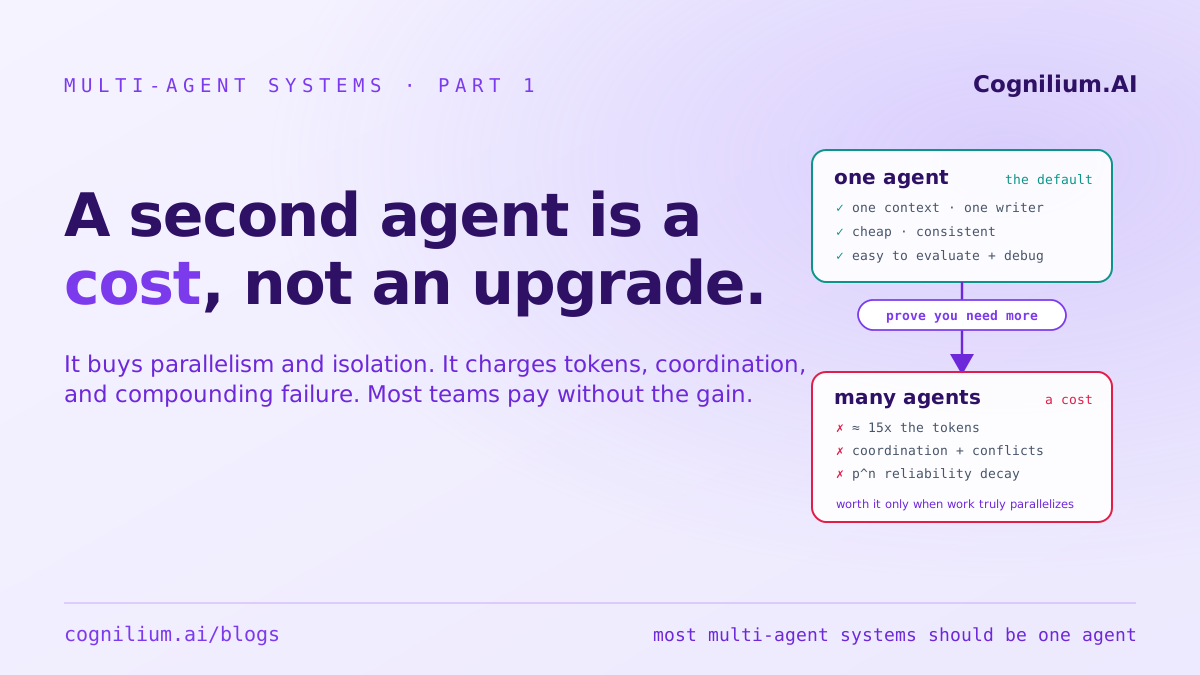
A team splits its working agent into a planner, three researchers, a critic, and a synthesizer. Latency triples, the bill jumps tenfold, and the researchers return three contradictory answers because none saw what the others found. Multi-agent architecture is a cost you pay for two things, parallelism on independent subtasks and isolation for specialists, and most teams pay it without getting either. It multiplies tokens, multiplies coordination failures, and compounds unreliability across every hop. Default to one capable agent; reach for many only on a clear gate, and then share structured state, route instead of fanning out, and keep writes single-threaded.
Mudassir Marwat17 minJul 1, 2026
Read the guide